
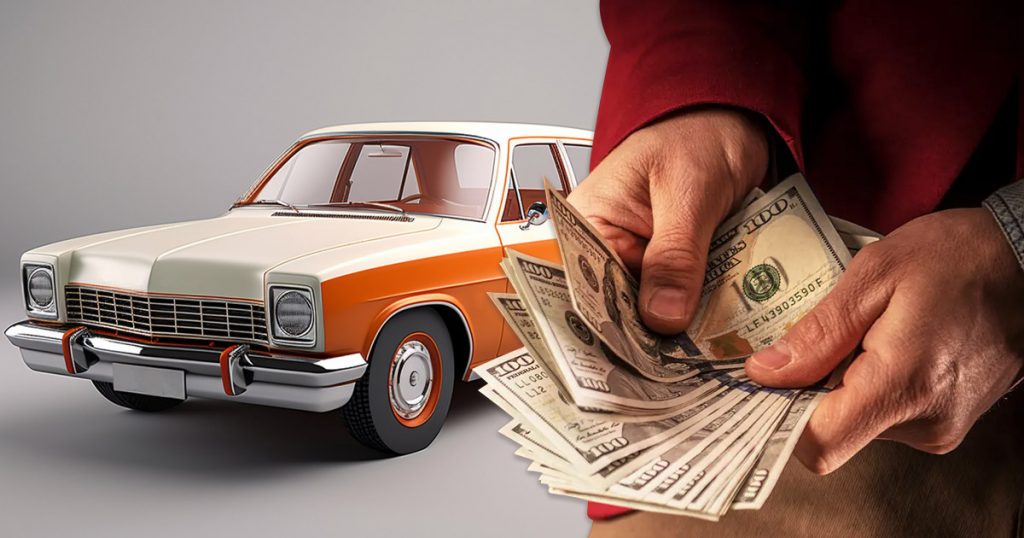
Owning a classic car is exciting, but understanding its value is essential. Classic car appraisal costs can vary significantly depending on the vehicle, its condition, and the purpose of the evaluation. Knowing how much a classic car appraisal is helps owners make informed decisions for insurance, sale, or investment purposes.
Understanding Classic Car Appraisals
Classic car appraisals differ from regular car appraisals. Regular cars are valued primarily based on mileage, condition, and market guides. Classic car appraisals consider factors that reflect rarity, originality, and collector demand. The appraisal evaluates the car’s make, model, year, and overall condition, but also examines documentation, modifications, and historical significance. These details influence both the appraisal cost and the resulting valuation of classic cars.
A certified appraiser is essential for accurate classic car appraisals. Experience with collector vehicles ensures the appraiser can identify features that increase value. Certifications from organizations like the American Society of Appraisers or the International Vehicle Appraisers Network assure that the appraisal follows professional standards. Expert knowledge ensures the appraisal reflects the car’s true market position and potential insurance coverage.
Factors Affecting Classic Car Appraisal Cost
Several factors determine how much a classic car appraisal is. Understanding these can help owners plan and budget effectively.
Type of Appraisal
- On-site appraisal: Involves a thorough inspection of the engine, interior, drivetrain, and body. Typically takes 1–3 hours and may include travel fees.
- Desktop appraisal: Reviews photos and documentation without a physical inspection. More affordable but slightly less precise.
Vehicle Complexity and Rarity
- Rare or highly customized cars require more expertise, increasing appraisal costs.
- Extensive restorations or modifications may need extra evaluation to confirm originality.
- High-value or exotic cars fall under specialized appraisals, often $500 or more.
- Basic appraisals for simpler classic cars typically cost $150 to $250.
- Detailed on-site appraisals generally range from $300 to $500.
Location and Additional Fees
- Appraisers in urban areas usually charge more than those in rural regions.
- Travel fees or rush services can add to the total cost.
- Diminished value appraisals, which assess how much a car loses value after damage, usually start around $350 and can reach $699.
- Court appearances or legal-related appraisals may incur extra fees.
What Appraisers Look For
Valuation of classic cars requires careful inspection of several key factors:
- Condition: Cars are rated on a scale of 1–6. Concours condition indicates flawless, highly collectible vehicles. Project or parts cars are valued lower, even if components are collectible.
- Original parts: Vehicles with matching numbers on the engine, transmission, and chassis are more highly valued than those with replacements.
- Rarity: Limited production models, unique trims, or special features increase desirability among collectors.
- Mileage: Lower mileage typically results in higher appraisal values.
- Documentation: Maintenance records, restoration history, original sales receipts, and certificates of authenticity help validate provenance and boost value.
Preparing for a Classic Car Appraisal
Preparing the vehicle and documents helps reduce the appraisal time and ensures accurate valuation. Maintenance records should be compiled to show the car’s upkeep. Cleaning the car allows the appraiser to properly inspect the exterior, interior, and mechanical components. Collecting receipts, original manuals, and restoration histories supports claims of rarity, originality, and investment value. Providing complete information enables appraisers to produce thorough and precise reports, which can affect insurance coverage and resale value.
Insurance and Sale Considerations
Understanding how much a classic car appraisal is is particularly important for insurance purposes. Classic car insurance often uses agreed or stated value policies, insuring the vehicle for its documented worth rather than actual cash value. An accurate appraisal protects owners from underinsurance and ensures fair payouts in case of accidents, theft, or loss. Regular reappraisals may be necessary to reflect changes in market trends, restoration work, or modifications.
For resale, classic car appraisals provide a benchmark for negotiation. Sellers who know their vehicle’s accurate value can set realistic prices and attract buyers willing to pay fair market rates. Buyers also benefit because detailed appraisals confirm that the car’s condition, originality, and documentation match the asking price.
Choosing the Right Appraiser
Selecting the right appraiser affects both cost and accuracy. Certified appraisers with extensive experience in classic cars provide the most reliable valuations. Checking references and reviews helps identify professionals with proven track records. A reputable appraiser evaluates all factors thoroughly, including the car’s condition, rarity, documentation, and modifications. The investment in a qualified appraiser ensures that classic car appraisals reflect true market value, protecting both insurance interests and potential resale transactions.
Ensuring Long-Term Value and Confidence
Owning a classic car is a long-term investment that requires careful attention. Regular appraisals give owners confidence when making decisions about restoration, insurance, or potential sales. They provide documentation that can protect against disputes, support estate planning, or verify value for collectors. Keeping track of valuation over time allows owners to act strategically, whether it’s timing a sale, adjusting insurance coverage, or deciding on upgrades. Classic car appraisals help preserve history, safeguard investment, and ensure every decision honors the car’s true worth.