
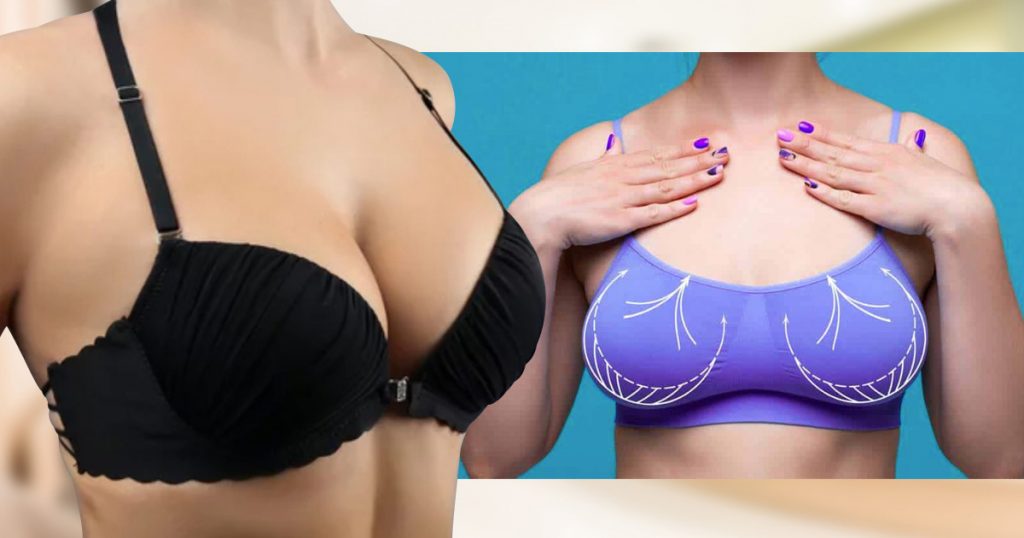
Fat transfer breast augmentation appeals to women who want a subtle boost without implants. This option offers natural-looking results and a more sculpted figure since the procedure removes fat from areas like the abdomen or thighs. Many women also ask how long breast fat transfer lasts, especially since the results rely on living fat cells. Understanding what affects longevity helps set realistic expectations.
What Makes Fat Transfer Breast Augmentation Different
This type of augmentation enhances the breasts using purified fat taken from other parts of the body. Surgeons remove fat using liposuction, refine it, then inject it into the breasts in targeted areas. The result feels natural because the breasts contain your own living fat cells. This approach works well for women who want a modest increase in size and prefer a softer shape. It also avoids issues linked to implants. Implants can create concerns such as rippling, sagging, or results that sometimes appear less natural.
Fat transfer offers a more customizable look. The placement of fat focuses on shaping, contouring, and achieving symmetry. Since the material is your own fat, your body accepts it more easily. This makes the results look and feel like a natural part of your figure.
Factors That Influence How Long Results Last
A fat transfer breast augmentation provides lasting results, but several factors can affect what happens after surgery:
- Fat Survival: Not all fat cells survive the transfer. Some are absorbed naturally during healing. The breasts look fullest immediately after surgery, then gradually settle. Shrinking usually stops around three months, and the remaining fat establishes itself permanently in the breast tissue.
- Weight Changes: The breasts behave like natural tissue. Gaining weight can increase breast size as fat cells grow, while losing weight can reduce volume as fat cells shrink.
- Aging: Over time, skin loses elasticity, which can cause sagging or shape changes. These changes are natural and not a result of the procedure. A breast lift can help if sagging becomes noticeable in later years.
- Lifestyle and Habits: Maintaining a stable weight, wearing supportive bras, staying active, and caring for skin can help support long-lasting results.
Is Breast Fat Transfer Permanent
Many women want to know if breast fat transfer is permanent. The portion of fat that survives the first few months becomes a lasting part of the breasts. Results generally remain stable for several years, with some patients enjoying effects for up to ten years when weight and lifestyle are maintained.
Since the transferred fat acts like natural tissue, the breasts move and feel soft, creating a natural appearance. This makes fat transfer a subtle alternative to implants. Over time, lifestyle habits and healthy skin care help the breasts retain their shape. Wearing supportive bras, staying active, and maintaining a stable weight contribute to long-lasting results.
Women often appreciate that no foreign materials are involved. The enhancement appears natural and integrates with the body, giving a soft, proportionate, and long-lasting look. While results aren’t permanent in the absolute sense, careful habits and proper maintenance allow many to enjoy their fat transfer results for nearly a decade.
Does Fat Transfer Compared to Traditional Implants
While implants offer predictable size increases, fat transfer offers a natural approach. Implants sometimes ripple or create a look that feels less subtle. Fat transfer produces results that blend with the body. It also avoids concerns such as implant rupture or replacement.
The durability of fat transfer comes from its biological nature. Surviving fat cells stay in the breasts as long as they remain healthy. Implants may require replacement at some point. Fat transfer focuses on long-term natural integration instead of relying on manufactured materials.
What To Expect During The First Few Months
The first three months shape the outcome. The breasts appear fuller at first because swelling combines with newly placed fat. As swelling fades and the body absorbs some of the fat, the breasts settle into a steady size. This settling period determines the final volume.
You can support healing through good aftercare. Following all post-surgery instructions helps the fat grafts stabilize. Avoiding pressure on the breasts gives the fat cells time to connect with the surrounding tissue.
Practical Expectations for Longevity
Women who want long-lasting results often maintain a stable weight. This reduces size fluctuations. Protecting skin elasticity helps slow sagging. Healthy habits encourage the breasts to keep their shape for a longer time.
If someone wants a larger size increase, surgeons may recommend multiple sessions. Fat transfer works best for modest enhancements. A second session helps add more volume while keeping the natural look.
Moving Forward With Realistic Confidence
Fat transfer breast augmentation offers a natural path to enhancement. The results come from your own living fat cells, which give the breasts a soft and authentic feel. The lasting effect depends on fat survival, lifestyle, and the natural aging process. Women who understand these factors enjoy the benefits of a natural and long-lasting outcome.