
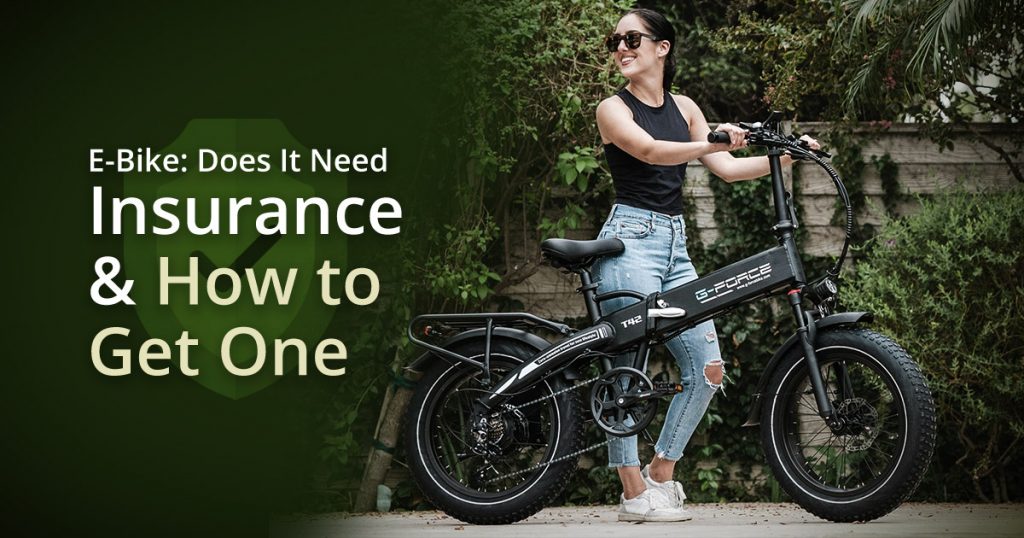
Electric bikes are changing how Americans commute, exercise, and explore. With rising prices for high-end e-bikes, many wonder about insurance for an electric bike. Understanding e-bike insurance can protect your investment and give peace of mind.
Legal Requirements for Electric Bike Insurance
Most U.S. states classify low-speed pedal-assist e-bikes like regular bicycles, meaning liability coverage or registration usually isn’t required. Models with higher speed or throttle functionality can be categorized like mopeds or motorcycles, which may require insurance, registration, or a driver’s license. Local laws vary, so verifying regulations in your city and state ensures compliance.
Why Insurance Matters
Even if insurance isn’t legally required, e-bike owners benefit from coverage. E-bikes can cost thousands of dollars, and motors, batteries, and other electronic components are expensive to replace. Standard homeowners or renters insurance might cover theft at home, but it rarely protects against damage while riding or commuting.
Insurance can cover theft, collisions, and accidents, helping riders avoid high out-of-pocket costs. Liability protection is particularly important for urban riders, as accidents could involve pedestrians, vehicles, or property damage.
Types of E-Bike Insurance Coverage
- Theft and Loss: Covers stolen bikes and sometimes accessories. Theft is a common risk, especially in urban areas.
- Accidental Damage: Pays for repairs from collisions, falls, or environmental hazards. This protects motors, batteries, and the frame.
- Liability: Covers medical bills and property repair if you injure someone or damage property while riding.
- Medical Payments: Helps cover your own medical expenses in case of injury.
- Replacement Parts: High-cost components such as batteries or motors can be replaced without breaking the bank.
Some policies even provide roadside assistance or coverage during events, races, and travel, offering extra convenience for active riders.
How to Insure an E-Bike
Choosing the right policy begins with assessing your e-bike’s value, your riding habits, and the environment where you ride. If your bike is your main mode of transport or a high-end model, comprehensive insurance is advisable. Casual riders may select limited coverage for theft or damage.
Start by checking existing homeowners’ or renters’ policies to see what coverage is included. Then compare dedicated e-bike insurance plans. Look for policies that allow customization of coverage, deductible levels, and optional add-ons for personal liability or travel protection.
Cost of E-Bike Insurance
Insurance costs depend on several factors:
- Bike value: More expensive bikes cost more to insure.
- Location: Urban areas with higher traffic and theft risk can raise premiums.
- Rider history: Accidents or violations can increase rates.
- Coverage type: Comprehensive plans with theft, collision, liability, and replacement parts cost more than minimal coverage.
Annual premiums generally start around $100, but high-end e-bikes or riders in high-risk areas may pay $300 to $500. Riders can balance cost by selecting higher deductibles or limiting coverage to specific scenarios.
Who Should Consider Insurance
Insurance is most valuable for riders who rely on their e-bike for commuting, own expensive or specialized models, or regularly ride in areas with theft or accident risk. Occasional riders may not need extensive coverage, but theft or accidental damage can still justify a basic policy.
Choosing the Right Policy
Riders should carefully compare providers, coverage options, and policy exclusions to make sure they are fully protected. Look at what each policy specifically covers, including theft, collisions, and liability. Some plans only cover basic bike frames, while others include motors, batteries, and expensive accessories, which can cost hundreds or thousands to replace.
It is also important to review how claims are handled. Understand the steps required to file a claim, the typical response time, and how repairs or replacements are processed. Some insurers partner with local bike shops or specialized repair services to speed up claims, while others may issue cash settlements. Knowing this in advance avoids surprises if your bike is stolen or damaged.
Consider optional coverage add-ons based on your lifestyle. For example, if you participate in races or group rides, some policies offer temporary coverage for events. Travel coverage can also protect your e-bike when you take it on trips or vacations.
Check deductible amounts and how they affect your premium. Higher deductibles can lower monthly or annual payments but increase out-of-pocket costs during a claim. Balance cost with the level of protection you need.
Finally, read reviews or ask fellow riders about their experiences with insurance providers. Reliability, customer service, and ease of claims are just as important as price.
Riding with Confidence
Having the right insurance lets riders enjoy their e-bike without constant worry. Coverage for theft, damage, or liability provides security while allowing freedom to ride farther, explore new areas, and commute with peace of mind. Insurance protects your investment and gives you confidence to focus on the ride rather than potential risks.